Category: health

  • Thank you for explaining research to me.

    We’re going to go back to ALA Annual 2017 for this post, but in an entirely different way my last two (see Part 1 & Part 2). In this post, I’m dealing with an experience that happened before Annual officially began. Apparently, it helped set the tone for the rest of the conference.

    A bit of backstory. Right now I’m collaborating with a colleague, Dr. Laura-Edythe Coleman, on a study about how librarians and museum professionals understand and perform empathy in their everyday work. My colleague (and close friend) was also in town for Annual and wanted me to meet some important museum people from the Chicago area. She mentioned a Twitter hashtag that helps bring together museum-minded individuals during different conferences for drinks, socializing, and shop talk. There had been an informal gathering set up via the hashtag for that Thursday and wanted me to attend. Okay. Makes sense. I like museums. It would be a good idea to meet more professionals in an unfamiliar world to me. Especially since I’ll be interacting with participants from museums as part of our research.

    Already stressed, sleep-deprived, and overwhelmed, I was not in the best headspace for high pressure social interactions. I never imagined that this social would be so intense, but it definitely turned out to be exactly that. I arrived at the designated bar with some half-hearted excitement to meet non-librarians before an (almost) all librarian conference. A small group of the museum people and my friend were there, already into drinks and appetizers. After brief introductions, I began to feel anxious and slightly paranoid. Most of the time my anxiety and paranoia isn’t justified, but in the case I believe it was.

    I immediately felt on the defense. I sensed a general disinterest in me and a patronizing attitude towards my librarian status. This mainly came from three men at the table. My attempts at common “getting to know you” conversation starters failed miserably. I tried asking about where people work, what they like to do in Chicago, etc. A conversation about local craft beer started. I mentioned some of my favorite breweries in town. And received the sneering feedback I almost always get (from men) when I express an opinion about beer. Then the man across from me asked, out of the blue, “Why do you do research?”. Seemed like an odd and bit aggressive question. I responded with, what I think, are the reasons I do research. Stuff like: Because I’m a naturally curious person. Because I enjoy it. Because I’m (occasionally) good at it. Because I think it actually does some (tiny) good in the world. And because, honestly, a big part of being an academic is doing research that you can then present and publish. Job search, tenure, and such. Also, I’m a Postdoctoral Research Fellow. Research is right there in my job title.

    Those reasons did not meet his approval. He sent me a very clear look that demonstrated his criticism of my thoughts. Whatever I said clearly was not the right (or his right) answer. Obviously all my doctoral work, dissertation, and postdoc efforts have taught me nothing about research. I had no idea where to go with this conversation. I asked why he did research and he responded with something esoteric and with the intent to put me in my place. I was so furious that my brain refused to comprehend his words fully. All I could think was, “I am going to lose it.” Which I almost NEVER experience. I don’t remember the last time I did. But I didn’t explode this time. I sort of wish I did, but also sort of glad I didn’t. People like that don’t deserve the amount of energy I would need to go off. I didn’t even have anywhere near that energy at the time. In these situations, it feels like they want my anger. They want an argument. A chance to show off what they know and what they think I don’t.

    But here is what I would have said:

    I have a fucking PhD. Did you know that is a research degree? I’ve spent about five years conducting research either in collaboration with colleagues or on my own. I’ve been (and continue to be) mentored by AMAZING researchers. I completed a dissertation a year ago. This means that I came up with original research, dealt with the IRB, collected and analyzed my data, wrote up, presented, and defended my research, and proved to my committee that I can produce quality research. I’m in the middle of a postdoctoral fellowship, a terrific position that allows me to participate in really interesting research, learn more about research, and discuss research. I’m definitely not the best researcher. Occasionally I’m good at it. But for the most part I’m constantly learning how to become a better researcher and a more critical thinker. Finally, research research research.

    I’m often on the defense with men. Whether it’s what I’m doing, what I’m reading, where I’m going, what I believe, and even what I feel. I know other women have experienced this too. I do love to learn. I’m excited when someone teaches me a new thing, shows me a different way to look at something, or gives constructive feedback. But I know when people are being kind and helpful versus trying to break me by dismissing my intelligence, education, and interests. I have so little patience for this as I grow older. But I’m (finally) able to detect when men are explaining things to me. No longer shrinking inside myself quite as much. Instead, trying very hard to stand tall.

    Obviously, I’m still working through some issues relating to conferencing (see Part 1 & Part 2). Thank you for continue to read. Writing helps me process uncomfortable, confusing, painful, and overwhelming experiences in ways that even therapy cannot. As I write, I learn more about myself and whatever I’m struggling with. I make connections and discoveries that I would never had if I kept it all in my head. I figure out what really happened and why I responded the way I did. Writing also helps tame my tendency to overanalyze everything. I never know exactly where writing will take me but maybe that one reason I love it. I write to go forward.
  • I’m Not Sure Why I’m Here: A Panicked Story, Part 1

    It’s about a week out from my marathon, back-to-back, cross-country June conference tour of CSCL, ALA Annual 2017, and IDC. I’ve had some time to get sick, rest, run a lot, catch up on e-mail, and talk out my conference experiences with those close to me and an amazing therapist. Conferencing is always challenging; sometimes fun, sometime frustrating, sometimes confusing, sometimes rewarding, etc. But, for me, this two-week conferencing period has been my hardest yet. I’ve attended back-to-back conferences several times before but only two in a row within the same city. Over my two weeks of conferences, I presented four times (two of which were to unfamiliar (non-LIS) audiences), attended multiple committee meetings, tried to finish some deadline-driven writing, attempted data collection, and talked about myself more than I like. Going to conferences to discuss your research, learn about the work of your colleagues, and expand your knowledge of a new or familiar field is exciting. I’m very thankful that I have so many opportunities to travel, meet new people, learn, and share.

    But what I really want to focus on is a conference experience where I had an almost paralyzing panic attack that I’m still trying to understand. This happened during the New Members Round Table (NMRT) Orientation Session panel at Annual. A few months before the conference, I received a lovely e-mail asking if I would participate on the panel. Immediately I wondered why would anyone would ask me? Seriously? What did I have to offer? (What you see here is the lingering low self-esteem, lack of self-confidence, and diminished self-worth heightened by my experiences in a doctoral program. But that’s for another post.). Finally, I replied “Yes!” because it sounded fun and a good experience for a panel newbie like me.

    (more…)

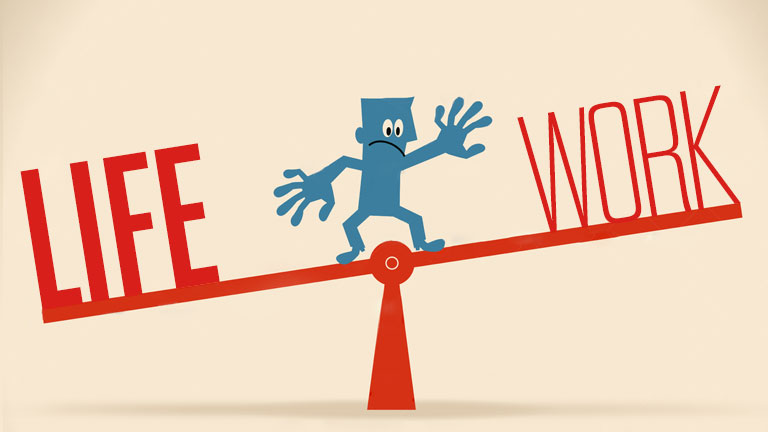
  • Learning about work-life balance

    Learning about work-life balance

    During April and May I had a mad rush of graduating, then turning right around and teaching a six weeks undergraduate course about social media management. But for the past two months I’ve been trying to do some self-care. In case you haven’t noticed from several other of my posts, the doctoral process is majorly intense. Especially that final year of dissertating. I didn’t have a solid approach to balancing my work life and my personal life. So, I’ve been adventuring into this idea of free time and self-care. This means I stepped away from my dissertation and other projects for awhile. I didn’t stress about immediately turning my finished dissertation into journal articles. I didn’t even stress much about job searching. I tried to move a bit away from the idea of myself as solely an academic. Instead, I thought of myself as someone who has the ability and freedom to relax and de-stress.

    So…what have I been doing? First, Blogging. I’ve been cheating on this blog with other blogs. Writing on a personal level through blogging has been a welcomed relief after so much academic writing over the past few years. I’ve been posting on the YALSA blog; and I co-authored a post on the Commons blog with Laura-Edythe Coleman, Ph.D. We discussed how empathy is shown (or not shown) within museums and libraries.

    I wrote a post for the YALSA blog about the YALSA’s learning agenda which is part of the division’s new strategic plan. Learn more about the agenda and the plan itself right here! Then, I wrote another post on the YALSA blog about networking, more specifically while attending ALA conferences. You can check it out here.

    Second, exploring all the wonderful beaches and cold springs of North Florida. Since moving to Florida, I’ve spent so little time wandering around Florida. It’s a (maybe surprisingly to some) beautiful state. So many parks, beaches, trails, and springs. Finally, I’ve been reading for fun. Without feeling guilty about it (at least no too much). I spent the entire doctoral program avoiding reading for fun. I always felt like I should be working instead. That’s a silly thought. Working 80 hour weeks will not be in my future if I can help it. There’s a lot more to life than work even though academia may tell you otherwise. By blogging, goofing, and reading, I’ve been able to momentarily find my own approach to work-life balance. I don’t know how long I’ll be able to keep it up, but in the meantime it’s keeping me happy and sane.

    In sudden and unexpected news, I’ve accepted a post-doctoral fellowship at Utah State University in the Instructional Technologies and Learning Sciences department. Over the next two years, I’ll learn a lot about the unfamiliar field of Learning Sciences. I’ll also be working on a fun and interesting IMLS grant focusing on small, rural school and public libraries and Makerspaces. In about a month I’ll be moving cross-country with a cat. This should be interesting and/or terrible.

  • I’m Going to the Gym! Or, Why I Exercise

    I’m Going to the Gym! Or, Why I Exercise

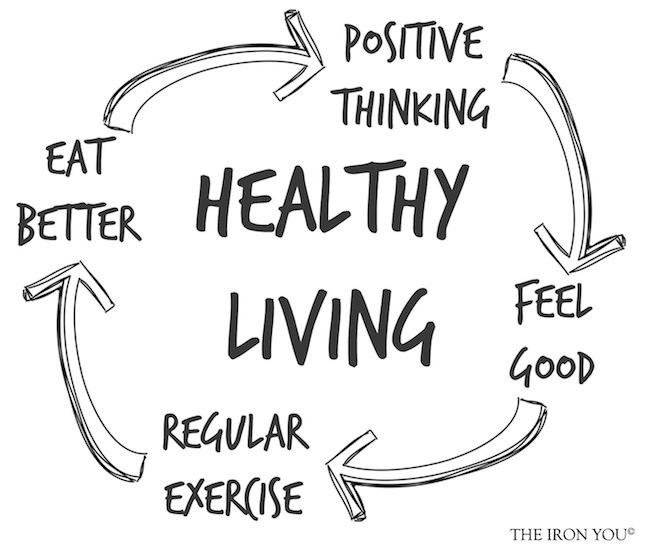
    I get a lot of questions about my exercise habits, but recently it feels like people are slightly more curious. During the past six months, I’ve become more active in long distance running and posting about my training and races on social media. This may be the reason for this curiosity. I love talking (and nagging people) about exercise and nutrition, so this seems like a good time to blog about my fitness fanaticism and how exercise has helped me as a PhD student.

    I had no idea when I started working out during my Junior year as an undergrad at University of Georgia that exercise would become a life-long passion. Boredom is what really forced me to go to the gym. It was summer and all my friends had left for home. Exercise became something to do. Now, I don’t even think about whether or not to work out. I wake up and go. I exercise while I travel. I exercise on my birthday. I exercise on holidays. I may be exercising as you are reading this!

    Exercise gives me time to think. I think about so many things, my dissertation, relationships, to-do lists, daydreams. It’s my time to focus on myself and what’s going on in this head of mine. I feel mentally stronger and happier after I work out. Endorphins are great! Also, exercise tires me out physically. I’ve struggled with insomnia since middle school, but exercise helps quiet my overactive mind and uses up some of my excess energy. Instead of dealing with racing thoughts while I’m trying to sleep, I just sleep. I like sleep.

    What I eat is just as important as how much I exercise. I’ve been an almost life-long vegetarian, but during high school and undergrad I ate a lot of junk. Healthy eating just made sense as I began to workout regularly. I started listening to my body more. I paid attention to the foods I ate that made me feel good, and the foods that didn’t. Slowly over the years I’ve become a super healthy eater. There’s always room in my life for foods that some people may call “guilty pleasures”, but I don’t see food as good or bad anymore. Placing food into these categories only leads to dangerous habits (for me anyway). I eat a balanced diet that includes whole grains, fruits, veggies, legumes (weird sounding word), and other yummy things. Being mindful about my eating is more important to me that sticking to a super-strict diet. Once again mindfulness can be used in so many ways!

    I’ll willingly admit to being a gym rat. For most of my exercising life, I’ve worked out alone. To be honest, I tend to get annoyed when people talk to me while I’m working out. Can’t they see I’m in the zone??? But recently, I’m started incorporating non-gym stuff into my exercise routine. I can work out in places other than the gym. There’s a whole world outside of the gym! It’s taken me awhile to realize this and get out of my gym rut. This is where running fits in.

    I love physical challenges! My current challenge is long-distance running. In February, I completed my first half-marathon with a respectable time. (I don’t like to share my times. I run for myself and not to compete against anyone else. If I’m happy with how I ran, that’s all that matters to me.) I have another half lined up for early May. I recently joined a training group that’s part of my local running club. This has drastically improved my running. We run every Sunday morning, adding another mile each week. Running for more than 5 miles alone is a struggle for me. Now matter how amazing of a playlist I make for a run, I hit a boredom wall. If I’m going to run a marathon next year (my goal!), I need a support system that motivates me to run a lot every week. Otherwise, I’ll find some excuse and plateau. I know myself too well. I also have a weekly shorter run with a fellow doc student and friend (Hi Jen!). I love having someone to run with and talk about our PhD lives.

    What are my fitness challenges for the future, you ask? Right now, it’s training for a full marathon. I plan to run it early next year. A few more halfs and I think I’ll be ready. I also want to become a certified group fitness instructor, probably spinning or weight training. I’ve been wanting to do this for years. Now seems like a good time! Another challenge is a 5 minute plank. I can do this. I’m at 3 minutes already! Finally, this spring I’m hoping to join an adult sports league. I’ve never been good at team sports, especially those that require you to hit or catch a ball. But there must be SOMETHING I can play without embarrassing myself. Kickball seems to be a good option. How bad could this go??

    What does this all have to do with my school life? I honestly think that without fitness and healthy eating I wouldn’t be able to deal with the stress of grad school. This felt true while I worked on my MLIS and it’s true now. Exercise has helped me become both mentally and physically stronger. “Healthy body, healthy mind” is a good mantra. I can deal with more than I ever thought I could as a result of my healthy lifestyle. I still struggle with stuff, but I can manage it. When I’m in doubt/anxious/stressed/bummed about my work, I hit the gym or go for a run. Long distance running is hard! So so incredibly hard for me. Running a marathon is good analogy to the doctoral program. It’s a long, grueling process that involves a lot of self-doubt, tears, and frustration. It takes dedication and determination. It’s definitely not for the weak. But the end is wonderful and the pain is worth it!

    Interesting Reads:

    Disclaimer: I’m not a certified personal trainer or nutritionist. I’m just a fitness and healthy eating enthusiast. I may nag the people I love about exercising and eating better, but I can do that because they’re stuck with me. This post is about what works for me. Talk to your doctor before you start or change your fitness or eating routines.