I get a lot of questions about my exercise habits, but recently it feels like people are slightly more curious. During the past six months, I’ve become more active in long distance running and posting about my training and races on social media. This may be the reason for this curiosity. I love talking (and nagging people) about exercise and nutrition, so this seems like a good time to blog about my fitness fanaticism and how exercise has helped me as a PhD student.
I had no idea when I started working out during my Junior year as an undergrad at University of Georgia that exercise would become a life-long passion. Boredom is what really forced me to go to the gym. It was summer and all my friends had left for home. Exercise became something to do. Now, I don’t even think about whether or not to work out. I wake up and go. I exercise while I travel. I exercise on my birthday. I exercise on holidays. I may be exercising as you are reading this!
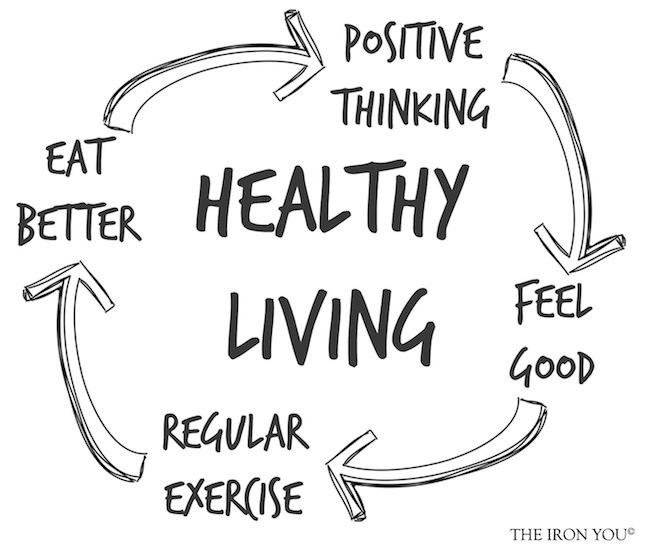
Exercise gives me time to think. I think about so many things, my dissertation, relationships, to-do lists, daydreams. It’s my time to focus on myself and what’s going on in this head of mine. I feel mentally stronger and happier after I work out. Endorphins are great! Also, exercise tires me out physically. I’ve struggled with insomnia since middle school, but exercise helps quiet my overactive mind and uses up some of my excess energy. Instead of dealing with racing thoughts while I’m trying to sleep, I just sleep. I like sleep.
What I eat is just as important as how much I exercise. I’ve been an almost life-long vegetarian, but during high school and undergrad I ate a lot of junk. Healthy eating just made sense as I began to workout regularly. I started listening to my body more. I paid attention to the foods I ate that made me feel good, and the foods that didn’t. Slowly over the years I’ve become a super healthy eater. There’s always room in my life for foods that some people may call “guilty pleasures”, but I don’t see food as good or bad anymore. Placing food into these categories only leads to dangerous habits (for me anyway). I eat a balanced diet that includes whole grains, fruits, veggies, legumes (weird sounding word), and other yummy things. Being mindful about my eating is more important to me that sticking to a super-strict diet. Once again mindfulness can be used in so many ways!
I’ll willingly admit to being a gym rat. For most of my exercising life, I’ve worked out alone. To be honest, I tend to get annoyed when people talk to me while I’m working out. Can’t they see I’m in the zone??? But recently, I’m started incorporating non-gym stuff into my exercise routine. I can work out in places other than the gym. There’s a whole world outside of the gym! It’s taken me awhile to realize this and get out of my gym rut. This is where running fits in.
I love physical challenges! My current challenge is long-distance running. In February, I completed my first half-marathon with a respectable time. (I don’t like to share my times. I run for myself and not to compete against anyone else. If I’m happy with how I ran, that’s all that matters to me.) I have another half lined up for early May. I recently joined a training group that’s part of my local running club. This has drastically improved my running. We run every Sunday morning, adding another mile each week. Running for more than 5 miles alone is a struggle for me. Now matter how amazing of a playlist I make for a run, I hit a boredom wall. If I’m going to run a marathon next year (my goal!), I need a support system that motivates me to run a lot every week. Otherwise, I’ll find some excuse and plateau. I know myself too well. I also have a weekly shorter run with a fellow doc student and friend (Hi Jen!). I love having someone to run with and talk about our PhD lives.
What are my fitness challenges for the future, you ask? Right now, it’s training for a full marathon. I plan to run it early next year. A few more halfs and I think I’ll be ready. I also want to become a certified group fitness instructor, probably spinning or weight training. I’ve been wanting to do this for years. Now seems like a good time! Another challenge is a 5 minute plank. I can do this. I’m at 3 minutes already! Finally, this spring I’m hoping to join an adult sports league. I’ve never been good at team sports, especially those that require you to hit or catch a ball. But there must be SOMETHING I can play without embarrassing myself. Kickball seems to be a good option. How bad could this go??
What does this all have to do with my school life? I honestly think that without fitness and healthy eating I wouldn’t be able to deal with the stress of grad school. This felt true while I worked on my MLIS and it’s true now. Exercise has helped me become both mentally and physically stronger. “Healthy body, healthy mind” is a good mantra. I can deal with more than I ever thought I could as a result of my healthy lifestyle. I still struggle with stuff, but I can manage it. When I’m in doubt/anxious/stressed/bummed about my work, I hit the gym or go for a run. Long distance running is hard! So so incredibly hard for me. Running a marathon is good analogy to the doctoral program. It’s a long, grueling process that involves a lot of self-doubt, tears, and frustration. It takes dedication and determination. It’s definitely not for the weak. But the end is wonderful and the pain is worth it!
Interesting Reads:
- The Westin hotel chain loans out work out clothing and shoes! Brillant!
- Some stuff about the relationship between exercise and mental health.
- Intuitive Eating, 3rd Edition: A Revolutionary Program That Works by Evelyn Tribole, M.S., R.D., Elyse Resch, M.S., R.D., F.A.D.A. I love this book! I read it during my senior year at UGA, and it helped put my eating into perspective.
- I love food blogs! There are so many wonderful blogs about healthy cooking/baking and eating. My current favorites are Gastronomic Intentions, Cookie and Kate, Can You Stay for Dinner?, and Minimalist Baker.
- I’m also a fan of fitness blogs! They keep me motivated, and I’m always looking for new exercises to try. A few that I read regularly: The Hunger Runner Girl, Lazy Runner Girl, and the Fitnessista.
Disclaimer: I’m not a certified personal trainer or nutritionist. I’m just a fitness and healthy eating enthusiast. I may nag the people I love about exercising and eating better, but I can do that because they’re stuck with me. This post is about what works for me. Talk to your doctor before you start or change your fitness or eating routines.