Tag: challenges

  • How I’m Dealing With Burnout and My Progress So Far

    How I’m Dealing With Burnout and My Progress So Far

    I’m in the home stretch of my dissertation (and that is the lone sports reference you’ll find in this blog). Currently, I working on the final chapter of my dissertation and set to defend in early February. Of course I’m also juggling writing job applications for faculty and librarian positions and teaching undergrads. How am I coping so far, you ask? As well as I expected to be honest. After receiving some words of wisdom from a friend and current faculty member in Illinois, I focusing more on my dissertation and less on the job hunt. My dissertation is, after all, my number one task this school year. My undergraduates students have been surprisingly understanding when I gently explain to them that the grades for their assignments may a bit late because I am simply too overwhelmed by everything. One person can only handle so much. I know my limits. Well, now I do after lots of hits and misses along the way.

    However, despite this shift in focus, I am still suffering from burnout. I think that it is critical that we are all honest when we experience spells of burnout, depression, anxiety, panic, and frustration. I’m sure we all suffer from these feeling. Maybe in varying degrees but we all do. This blog has been one source of relief from burnout. Even sometimes when I don’t actually write a post, simply constructing a free-form written post in my mind is helpful and somehow relaxing. The other ways I’ve been coping with burnout are not really surprising (if you know me) running, yoga, weight lifting, pleasure reading, and therapy. Something I try to do each day is do one thing that brings me joy. It can be something as simple as going to a bookstore or getting a pedicure. But one thing that makes me happy and takes my mind off of my work and burnout. All this thinking and talking about burnout and stress has made me curious about how others manage (and how well). It’s not an easy thing to do. Avoidance is one path but that path eventually leads to something much darker such as a breakdown, quitting a job, or being fired from a job. Below, I’ve included a short list of some helpful sites about burnout, self-care, and such. Self-care is so important but often overlooked or seen as an indulgence. Making sure you are happy and physically and mentally healthy is not an indulgence.

    Helpful sites on burnout and such:

    LifeHacker’s Burnout and How to Deal With It

    Preventing Burnout: Signs, Symptoms, Causes, and Coping Strategies

    Job Burnout: How to Spot It and Take Action

    Refueling Your Engine: Strategies to Reduce Stress and Avoid Anxiety

    45 Simple Self-Care Practices for a Healthy, Mind, Body, and Soul

    The Internet Wants to Help You Take Care of Yourself

    What do you do when you suffer from burnout? Any helpful tips or suggestions?
  • Guest Posting for Letters to a Young Librarian!

    Guest Posting for Letters to a Young Librarian!

    On Thursday morning, my guest blog post, “Worrying About My PhD Life, for Letters to a Young Librarian went live. I received so many wonderful comments from fellow librarians, library directors, and doctoral students through the LTAYL blog, Tumblr, Twittter, and Facebook. Just as surprising AL Direct, the weekly e-newsletter from American Libraries, picked up my post. I’ve has no idea so many people would be interested in my stresses about doctoral work and librarianship.

    Here’s what I said in my post! Please read more of the wonderful posts to Letters to a Young Librarian. LTAYL is managed by the fantastic Jessica Olin, who has been kind enough to allow me to guest post twice over the past two years.

    Worrying About My PhD Life

    “At the moment, I’m in the final months of working on my dissertation. This means writing and crying and writing (and if we’re being honest, whining sessions while drinking with fellow doctoral students). When I entered the PhD program, I had the lofty goal of becoming LIS faculty. Now, I’m uncertain. But why else would you get a PhD if not going tenure-tracked? Why don’t you want to work in academia? A not-to-be-named faculty member has asked me this question recently. Unfortunately, I’ve had a few eye-opening experiences while presenting and attending academic conferences. I’ve also had a few eye-opening experiences while living and breathing academia for the past three years. Articles like this one by Oliver Lee about leaving a self-proclaimed “best” tenure-track faculty job, or this one by Claire Shaw and Lucy Ward about the high rate of mental illness among academics, haven’t exactly encouraged me to seek out faculty positions for post-PhD life.

    Instead, I’m wondering how or even if I can go back to public libraries. While working on my PhD, I’ve applied to a few librarian positions without much luck. Maybe I talked about my research too much. Maybe my local library system is tired of doctoral students abandoning positions once they graduate. There are a lot of other possible maybes. I honestly don’t know. Before entering the doc program, I worked for six years in a small, rural public library system in Southwest Georgia. First as a library assistant while I worked my MLIS and then as a librarian. I miss you, public library work. I miss you so much. But how can I express this to public library directors? How can I convince you that although I’m probably overqualified and definitely overeducated I still want to work in a library? What do PhD holders offer public and academic libraries? How do we apply to librarian positions?

    Here’s where the “selling the PhD” part comes in. I think.

    First, we’re trained researchers. We can construct, plan, and carry out an entire project essentially by ourselves (this is also called a dissertation). Often this research involves interviewing people, statistics, community assessments, marketing, and management (aka handling participants and doctoral committees). While academic librarians are known to conduct research, research by librarians is undervalued in public libraries. This is disappointing, because public libraries NEED research. They need more researchers researching them (this is me), but public librarians also need to be conducting research themselves. A recent post on this blog highlights the importance of research for public libraries. Research can mean many different things within the context of public libraries. A few examples: A lot of the wonderful work EveryLibrary does is research-based. Carrying out community assessments is a type of research. Using Geographic Information Systems (GIS) is research, which more libraries should know about and use.

    Second, we are AMAZING at project management. We did complete a dissertation. Our levels of amazingness may vary, but at the very least we successfully defended our dissertation, which means we convinced a small group of people we can manage a project and write about it.

    Third, we are trained instructors. We’ve taught and maybe even developed courses while working on our PhDs. Through teaching, we’ve learned the delicate balance of classroom management, lesson planning, evaluation, and incorporating technology into education.

    Fourth, we are skilled presenters and great at self-marketing. Okay. Maybe. Maybe not. However, we have presented our research, our passion for libraries, and ourselves during conferences, class sessions, informal meetings, professional networking and weird conversations in bars.

    Some final thoughts:

    Librarians with PhDs have so much to offer the practitioner world of librarianship. We just have to figure out how to promote our degree as an advantage not a disadvantage. It sounds weird to say that having a doctorate opens a lot of doors, because it closes almost as many. I wonder if there are other LIS PhDers like me out there. We have experience in the field, working as librarians, but then we veered towards academia, and then veered (or are in the process of veering) away. This is another situation when I honestly don’t know the answer. For the most part, everyone around me still seems to be striving for a tenure-track position at a Research I (R1) university. I would love to hear from those who aren’t going that direction or who aren’t sure if they are!”

  • I’m Going to the Gym! Or, Why I Exercise

    I’m Going to the Gym! Or, Why I Exercise

    I get a lot of questions about my exercise habits, but recently it feels like people are slightly more curious. During the past six months, I’ve become more active in long distance running and posting about my training and races on social media. This may be the reason for this curiosity. I love talking (and nagging people) about exercise and nutrition, so this seems like a good time to blog about my fitness fanaticism and how exercise has helped me as a PhD student.

    I had no idea when I started working out during my Junior year as an undergrad at University of Georgia that exercise would become a life-long passion. Boredom is what really forced me to go to the gym. It was summer and all my friends had left for home. Exercise became something to do. Now, I don’t even think about whether or not to work out. I wake up and go. I exercise while I travel. I exercise on my birthday. I exercise on holidays. I may be exercising as you are reading this!

    Exercise gives me time to think. I think about so many things, my dissertation, relationships, to-do lists, daydreams. It’s my time to focus on myself and what’s going on in this head of mine. I feel mentally stronger and happier after I work out. Endorphins are great! Also, exercise tires me out physically. I’ve struggled with insomnia since middle school, but exercise helps quiet my overactive mind and uses up some of my excess energy. Instead of dealing with racing thoughts while I’m trying to sleep, I just sleep. I like sleep.

    What I eat is just as important as how much I exercise. I’ve been an almost life-long vegetarian, but during high school and undergrad I ate a lot of junk. Healthy eating just made sense as I began to workout regularly. I started listening to my body more. I paid attention to the foods I ate that made me feel good, and the foods that didn’t. Slowly over the years I’ve become a super healthy eater. There’s always room in my life for foods that some people may call “guilty pleasures”, but I don’t see food as good or bad anymore. Placing food into these categories only leads to dangerous habits (for me anyway). I eat a balanced diet that includes whole grains, fruits, veggies, legumes (weird sounding word), and other yummy things. Being mindful about my eating is more important to me that sticking to a super-strict diet. Once again mindfulness can be used in so many ways!

    I’ll willingly admit to being a gym rat. For most of my exercising life, I’ve worked out alone. To be honest, I tend to get annoyed when people talk to me while I’m working out. Can’t they see I’m in the zone??? But recently, I’m started incorporating non-gym stuff into my exercise routine. I can work out in places other than the gym. There’s a whole world outside of the gym! It’s taken me awhile to realize this and get out of my gym rut. This is where running fits in.

    I love physical challenges! My current challenge is long-distance running. In February, I completed my first half-marathon with a respectable time. (I don’t like to share my times. I run for myself and not to compete against anyone else. If I’m happy with how I ran, that’s all that matters to me.) I have another half lined up for early May. I recently joined a training group that’s part of my local running club. This has drastically improved my running. We run every Sunday morning, adding another mile each week. Running for more than 5 miles alone is a struggle for me. Now matter how amazing of a playlist I make for a run, I hit a boredom wall. If I’m going to run a marathon next year (my goal!), I need a support system that motivates me to run a lot every week. Otherwise, I’ll find some excuse and plateau. I know myself too well. I also have a weekly shorter run with a fellow doc student and friend (Hi Jen!). I love having someone to run with and talk about our PhD lives.

    What are my fitness challenges for the future, you ask? Right now, it’s training for a full marathon. I plan to run it early next year. A few more halfs and I think I’ll be ready. I also want to become a certified group fitness instructor, probably spinning or weight training. I’ve been wanting to do this for years. Now seems like a good time! Another challenge is a 5 minute plank. I can do this. I’m at 3 minutes already! Finally, this spring I’m hoping to join an adult sports league. I’ve never been good at team sports, especially those that require you to hit or catch a ball. But there must be SOMETHING I can play without embarrassing myself. Kickball seems to be a good option. How bad could this go??

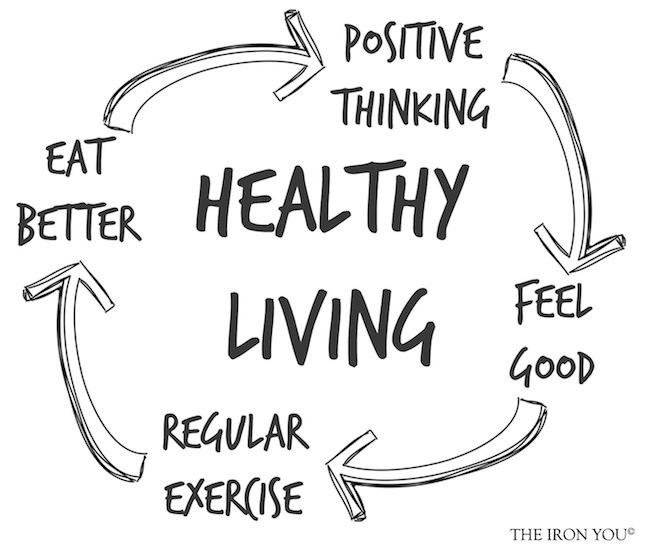
    What does this all have to do with my school life? I honestly think that without fitness and healthy eating I wouldn’t be able to deal with the stress of grad school. This felt true while I worked on my MLIS and it’s true now. Exercise has helped me become both mentally and physically stronger. “Healthy body, healthy mind” is a good mantra. I can deal with more than I ever thought I could as a result of my healthy lifestyle. I still struggle with stuff, but I can manage it. When I’m in doubt/anxious/stressed/bummed about my work, I hit the gym or go for a run. Long distance running is hard! So so incredibly hard for me. Running a marathon is good analogy to the doctoral program. It’s a long, grueling process that involves a lot of self-doubt, tears, and frustration. It takes dedication and determination. It’s definitely not for the weak. But the end is wonderful and the pain is worth it!

    Interesting Reads:

    Disclaimer: I’m not a certified personal trainer or nutritionist. I’m just a fitness and healthy eating enthusiast. I may nag the people I love about exercising and eating better, but I can do that because they’re stuck with me. This post is about what works for me. Talk to your doctor before you start or change your fitness or eating routines.

  • The Mindful Presenter

    The Mindful Presenter

    For as long as I can remember, I’ve had an almost paralyzing fear of speaking in public. Despite the fact that I sung, acted, and improvised on stage while growing up, the idea of presenting my own thoughts and opinions to an audience terrified me. Then, once I became a librarian, that changed. Maybe because I played the role of a “librarian” to an audience instead of “Abby”, but whatever the reason, public speaking didn’t scare me. I loved doing television spots for the library, presenting in front of any age group, promoting the library during public events, and presenting one-on-one with patrons and staff. This confidence vanished when I left the library and became a doctoral student.

    I don’t exactly know why, but I have some ideas. There is something incredibility personal about what you chose to research, especially once you reach the dissertation stage. At least this is the case for me. I’m passionate about what I research. My dissertation consumes most of my waking thoughts, so the idea of someone criticizing my research and calling me out fills me with fear. I also worry that the audience will “see thorough me” in some way and realize that I’m a fake, a terrible researcher, writer, and generally bad person. The Imposter Syndrome is strongly at play here. I’ve written about my struggles with it before. I know logically that these feelings and thoughts aren’t true. But emotionally I don’t. I definitely don’t. This is where mindfulness helps.

    I’ve practiced mindfulness meditation for years following the suggestion of a childhood friend and now practicing therapist. (Well, attempting to practice for the most part. It’s hard.) But I never connected the usefulness of mindfulness to public speaking. Several months ago, one of my committee members recommended the book, Public Speaking for Psychologists: A Lighthearted Guide to Research Presentations, Job Talks, and Other Opportunities to Embarrass Yourself by Paul S. Silvia. Geared towards psychologists but helpful to anyone in the academic world, I love this book.

    Along with many other helpful reflections, the author discusses the use of meditation for reducing public speaking anxiety. He offers up a body-scan approach for use before presentations. Occasionally in yoga, I’m lucky enough to have an instructor who will end the class with a guided body-scan meditation. It’s amazingly relaxing and particularly helpful for those (like me) who have trouble shutting off their mind. I never would have thought about using this type of meditation to combat public speaking anxiety, but it has helped me more than I can express. According to Jon Kabat-Zinn, apparently a fancy name in meditation,

    When we practice the body scan, we are systematically and intentionally moving our attention thought the body, attending to the various sensations in the different regions. That we can attend to these body sensations at all is quite remarkable. That we can do it at will, either impulsively or in a more disciplined systematic way, is even more so. Without moving a muscle, we can put our mind anywhere in the body we choose and feel and be aware of whatever sensations are present in that moment.

    Basically, you slowly scan your body step-by-step, beginning with your head and working down. You pay attention to areas that feel tense or uncomfortable and become aware of what you’re feeling where and why. This slow progression helps keep the mind focused on the meditation and not distracted by everything else in the world (my normal problem with meditation). Better descriptions and free video/audio guided meditations can be found all over the internet. Like here, here, and here. Body-scan meditation is also really helpful for insomnia (Been there too.).

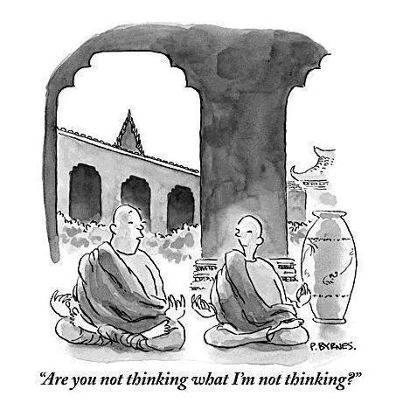
    I have a major presentation coming up on March 16. My prospectus defense! At least a week before, I’ll begin a daily body-scan meditation session. Then, the morning of my presentation I’ll have one more. I realize that for many people mediation can seem wishy-washy and completely useless. I’ve been that person. But for me, this helps. And that’s something.

    Helpful reads!

    • My current read: Dan Harmon of Nightline and Good Morning America fame recently published a book called 10% Happier: How I Tamed the Voice in my Head, Reduced Stress Without Losing My Edge, and Found Self-Help That Actually Works — A True Story. He had a severe panic attack in front of a national audience and now uses mindfulness to deal with stress. I’ve had one major panic attack in front of a much much smaller audience. Worst experience EVER, but I lived.
    • The wonderful Sarabryce, a fellow librarian, recently wrote about her struggles with shyness and public speaking on her blog, Bryce Don’t Play.
    • Thich Nhat Hanh is probably the most well-known voice on mindfulness. He’s written several books including The Miracle of Mindfulness. Such a wonderful read! I go back to his books again and again.