Category: dissertating

  • Learning about work-life balance

    Learning about work-life balance

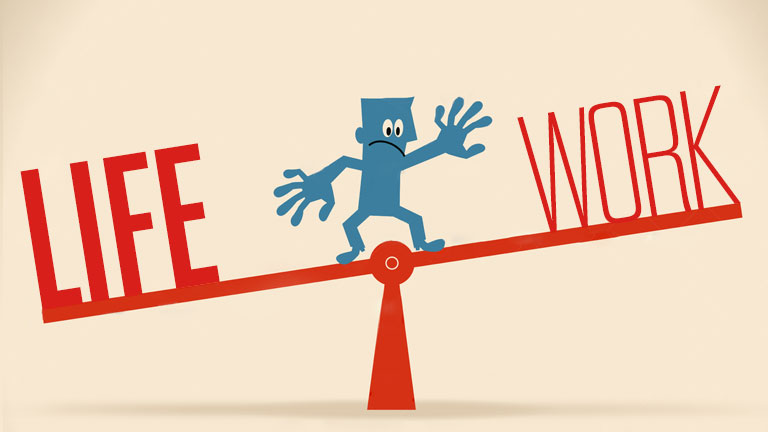
    During April and May I had a mad rush of graduating, then turning right around and teaching a six weeks undergraduate course about social media management. But for the past two months I’ve been trying to do some self-care. In case you haven’t noticed from several other of my posts, the doctoral process is majorly intense. Especially that final year of dissertating. I didn’t have a solid approach to balancing my work life and my personal life. So, I’ve been adventuring into this idea of free time and self-care. This means I stepped away from my dissertation and other projects for awhile. I didn’t stress about immediately turning my finished dissertation into journal articles. I didn’t even stress much about job searching. I tried to move a bit away from the idea of myself as solely an academic. Instead, I thought of myself as someone who has the ability and freedom to relax and de-stress.

    So…what have I been doing? First, Blogging. I’ve been cheating on this blog with other blogs. Writing on a personal level through blogging has been a welcomed relief after so much academic writing over the past few years. I’ve been posting on the YALSA blog; and I co-authored a post on the Commons blog with Laura-Edythe Coleman, Ph.D. We discussed how empathy is shown (or not shown) within museums and libraries.

    I wrote a post for the YALSA blog about the YALSA’s learning agenda which is part of the division’s new strategic plan. Learn more about the agenda and the plan itself right here! Then, I wrote another post on the YALSA blog about networking, more specifically while attending ALA conferences. You can check it out here.

    Second, exploring all the wonderful beaches and cold springs of North Florida. Since moving to Florida, I’ve spent so little time wandering around Florida. It’s a (maybe surprisingly to some) beautiful state. So many parks, beaches, trails, and springs. Finally, I’ve been reading for fun. Without feeling guilty about it (at least no too much). I spent the entire doctoral program avoiding reading for fun. I always felt like I should be working instead. That’s a silly thought. Working 80 hour weeks will not be in my future if I can help it. There’s a lot more to life than work even though academia may tell you otherwise. By blogging, goofing, and reading, I’ve been able to momentarily find my own approach to work-life balance. I don’t know how long I’ll be able to keep it up, but in the meantime it’s keeping me happy and sane.

    In sudden and unexpected news, I’ve accepted a post-doctoral fellowship at Utah State University in the Instructional Technologies and Learning Sciences department. Over the next two years, I’ll learn a lot about the unfamiliar field of Learning Sciences. I’ll also be working on a fun and interesting IMLS grant focusing on small, rural school and public libraries and Makerspaces. In about a month I’ll be moving cross-country with a cat. This should be interesting and/or terrible.
  • Defending My Dissertation and Other Things I’ve Experienced Recently

    Defending My Dissertation and Other Things I’ve Experienced Recently

    On Monday, February 8, I successfully defended my dissertation. I stood up in front of a room of people and presented my dissertation research, opening myself up to questions and critiques (constructive). I’ve talked about my fear of public speaking on this blog before. While my fear has calmed somewhat, I still hate speaking in front of people. HATE. To help deal with this during my defense, I went with an old school approach. I printed off my lecture notes, glued them to large index cards, and presented with those by my side. To me, this felt like cheating. Shouldn’t I be confident enough to present my hard work to a room full of people who care about me? (No). But as my major professor said, “This isn’t a public speaking competition. It’s a dissertation defense”. It doesn’t really matter. I survived and passed.

    I’ve gotten a lot of questions from friends and acquaintances since my defense. “How do you feel now that you’re on the other side?”, “Don’t you feel more relaxed?”, “Has your work load changed”, and my least favorites,”What are your next steps? Where do you go from here?”. I realize people are well-meaning and generally care about me, but I have trouble dealing with these questions. I generally feel a sense of helplessness, frustration, and dread when one of these questions pops up. I’ve decided to respond to these questions in a post (a place where none of these people will ever see my responses).

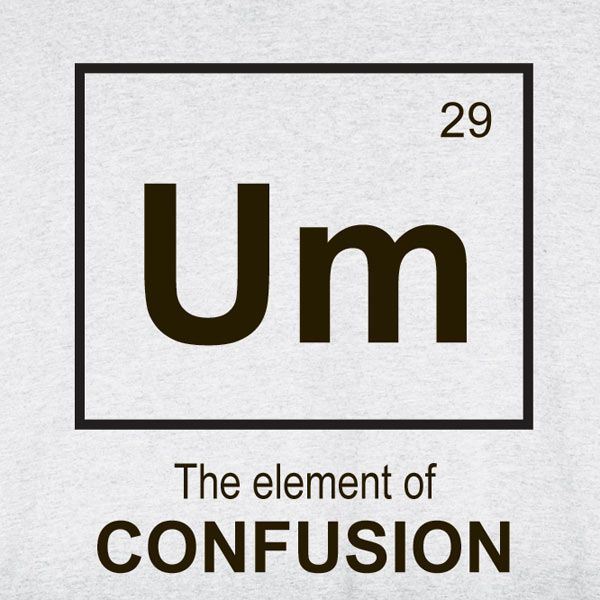
    First, let’s address, “How do you feel now that you’re on the other side?”. Right after the defense, I felt numb. I didn’t know what to feel or think. I went on like this for several days. There’s such a build up (emotionally and intellectually) to the defense. So much anxiety, stress, and fear. It’s hard to know what to feel after the presentation is over, you’ve met with your committee, and all the forms are signed. After awhile, this numbness turned into nothingness. Right now, I feel nothing. I don’t feel happy, excited, sad, or upset about the end of my dissertation or even the end of my doctoral career. I don’t feel anything except a vague sense of confusion. Maybe this is because I have revisions I need to make. It could be that once I complete these minor revisions , I’ll feel like I truly succeeded. Or maybe it’ll be after graduation when I officially receive my PhD and can be called Dr. Phillips. I don’t know.

    Second, “Don’t you feel more relaxed? Has your work load changed?”. No and no. I am  person who is incapable of fully relaxing. Are there others like me? I should investigate this further. I have trouble relaxing for a variety of reasons, but I right now I can’t relax. Defending my dissertation didn’t help me relax or decrease my workload. I still have to find a job and finish edits to my dissertation. Maybe people believe that after defending your dissertation you have all this free time or can shift gears and work on something else. This hasn’t been the case for me. Perhaps it is for others. Lucky you!

    Finally, the questions of “What are your next steps? Where do you go from here?”. Well, looking for a job is what I’m doing (and editing my dis). In all honesty, I don’t know where I’ll go from here. It depends on where I get a job. The job search process is kind of exciting, terrifying, nerve wracking, and frustrating. Applying to jobs is so time consuming and tedious. Sometimes it feels like you’re throwing yourself into the void, forced to patiently wait for some sort of response. I will find a job (I say this in a confident, convincing sort of voice to myself a lot, “Yes, I will!”). Then, go from there.

    Hopefully, my ramblings aren’t coming across as negative or concerning. I’m simply using this post as a way to deal with the range of emotions I’m feeling (or not feeling) at the moment. Enjoy the confusion with me!

  • How I’m Dealing With Burnout and My Progress So Far

    How I’m Dealing With Burnout and My Progress So Far

    I’m in the home stretch of my dissertation (and that is the lone sports reference you’ll find in this blog). Currently, I working on the final chapter of my dissertation and set to defend in early February. Of course I’m also juggling writing job applications for faculty and librarian positions and teaching undergrads. How am I coping so far, you ask? As well as I expected to be honest. After receiving some words of wisdom from a friend and current faculty member in Illinois, I focusing more on my dissertation and less on the job hunt. My dissertation is, after all, my number one task this school year. My undergraduates students have been surprisingly understanding when I gently explain to them that the grades for their assignments may a bit late because I am simply too overwhelmed by everything. One person can only handle so much. I know my limits. Well, now I do after lots of hits and misses along the way.

    However, despite this shift in focus, I am still suffering from burnout. I think that it is critical that we are all honest when we experience spells of burnout, depression, anxiety, panic, and frustration. I’m sure we all suffer from these feeling. Maybe in varying degrees but we all do. This blog has been one source of relief from burnout. Even sometimes when I don’t actually write a post, simply constructing a free-form written post in my mind is helpful and somehow relaxing. The other ways I’ve been coping with burnout are not really surprising (if you know me) running, yoga, weight lifting, pleasure reading, and therapy. Something I try to do each day is do one thing that brings me joy. It can be something as simple as going to a bookstore or getting a pedicure. But one thing that makes me happy and takes my mind off of my work and burnout. All this thinking and talking about burnout and stress has made me curious about how others manage (and how well). It’s not an easy thing to do. Avoidance is one path but that path eventually leads to something much darker such as a breakdown, quitting a job, or being fired from a job. Below, I’ve included a short list of some helpful sites about burnout, self-care, and such. Self-care is so important but often overlooked or seen as an indulgence. Making sure you are happy and physically and mentally healthy is not an indulgence.

    Helpful sites on burnout and such:

    LifeHacker’s Burnout and How to Deal With It

    Preventing Burnout: Signs, Symptoms, Causes, and Coping Strategies

    Job Burnout: How to Spot It and Take Action

    Refueling Your Engine: Strategies to Reduce Stress and Avoid Anxiety

    45 Simple Self-Care Practices for a Healthy, Mind, Body, and Soul

    The Internet Wants to Help You Take Care of Yourself

    What do you do when you suffer from burnout? Any helpful tips or suggestions?

  • Guest Posting for Letters to a Young Librarian!

    Guest Posting for Letters to a Young Librarian!

    On Thursday morning, my guest blog post, “Worrying About My PhD Life, for Letters to a Young Librarian went live. I received so many wonderful comments from fellow librarians, library directors, and doctoral students through the LTAYL blog, Tumblr, Twittter, and Facebook. Just as surprising AL Direct, the weekly e-newsletter from American Libraries, picked up my post. I’ve has no idea so many people would be interested in my stresses about doctoral work and librarianship.

    Here’s what I said in my post! Please read more of the wonderful posts to Letters to a Young Librarian. LTAYL is managed by the fantastic Jessica Olin, who has been kind enough to allow me to guest post twice over the past two years.

    Worrying About My PhD Life

    “At the moment, I’m in the final months of working on my dissertation. This means writing and crying and writing (and if we’re being honest, whining sessions while drinking with fellow doctoral students). When I entered the PhD program, I had the lofty goal of becoming LIS faculty. Now, I’m uncertain. But why else would you get a PhD if not going tenure-tracked? Why don’t you want to work in academia? A not-to-be-named faculty member has asked me this question recently. Unfortunately, I’ve had a few eye-opening experiences while presenting and attending academic conferences. I’ve also had a few eye-opening experiences while living and breathing academia for the past three years. Articles like this one by Oliver Lee about leaving a self-proclaimed “best” tenure-track faculty job, or this one by Claire Shaw and Lucy Ward about the high rate of mental illness among academics, haven’t exactly encouraged me to seek out faculty positions for post-PhD life.

    Instead, I’m wondering how or even if I can go back to public libraries. While working on my PhD, I’ve applied to a few librarian positions without much luck. Maybe I talked about my research too much. Maybe my local library system is tired of doctoral students abandoning positions once they graduate. There are a lot of other possible maybes. I honestly don’t know. Before entering the doc program, I worked for six years in a small, rural public library system in Southwest Georgia. First as a library assistant while I worked my MLIS and then as a librarian. I miss you, public library work. I miss you so much. But how can I express this to public library directors? How can I convince you that although I’m probably overqualified and definitely overeducated I still want to work in a library? What do PhD holders offer public and academic libraries? How do we apply to librarian positions?

    Here’s where the “selling the PhD” part comes in. I think.

    First, we’re trained researchers. We can construct, plan, and carry out an entire project essentially by ourselves (this is also called a dissertation). Often this research involves interviewing people, statistics, community assessments, marketing, and management (aka handling participants and doctoral committees). While academic librarians are known to conduct research, research by librarians is undervalued in public libraries. This is disappointing, because public libraries NEED research. They need more researchers researching them (this is me), but public librarians also need to be conducting research themselves. A recent post on this blog highlights the importance of research for public libraries. Research can mean many different things within the context of public libraries. A few examples: A lot of the wonderful work EveryLibrary does is research-based. Carrying out community assessments is a type of research. Using Geographic Information Systems (GIS) is research, which more libraries should know about and use.

    Second, we are AMAZING at project management. We did complete a dissertation. Our levels of amazingness may vary, but at the very least we successfully defended our dissertation, which means we convinced a small group of people we can manage a project and write about it.

    Third, we are trained instructors. We’ve taught and maybe even developed courses while working on our PhDs. Through teaching, we’ve learned the delicate balance of classroom management, lesson planning, evaluation, and incorporating technology into education.

    Fourth, we are skilled presenters and great at self-marketing. Okay. Maybe. Maybe not. However, we have presented our research, our passion for libraries, and ourselves during conferences, class sessions, informal meetings, professional networking and weird conversations in bars.

    Some final thoughts:

    Librarians with PhDs have so much to offer the practitioner world of librarianship. We just have to figure out how to promote our degree as an advantage not a disadvantage. It sounds weird to say that having a doctorate opens a lot of doors, because it closes almost as many. I wonder if there are other LIS PhDers like me out there. We have experience in the field, working as librarians, but then we veered towards academia, and then veered (or are in the process of veering) away. This is another situation when I honestly don’t know the answer. For the most part, everyone around me still seems to be striving for a tenure-track position at a Research I (R1) university. I would love to hear from those who aren’t going that direction or who aren’t sure if they are!”