Category: dissertating

  • Presenting Empathy at Annual

    Presenting Empathy at Annual

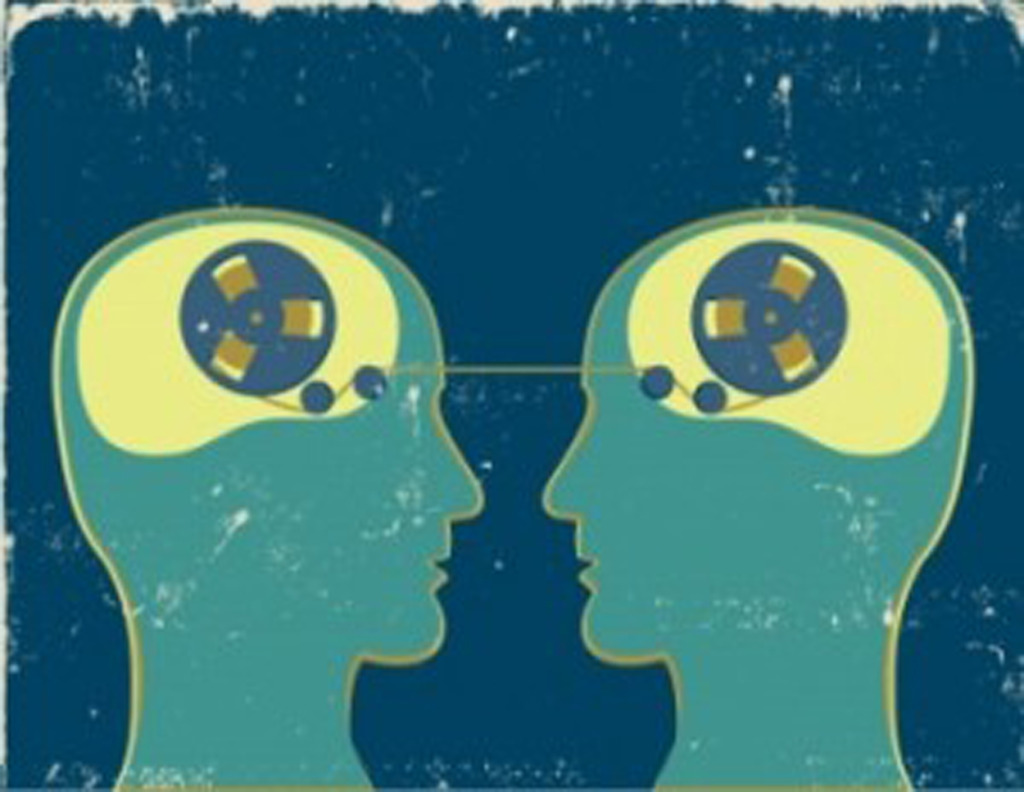
    I had a wonderful time presenting my Conversation Starter, “You Have My Empathy: What Does Empathy Look Like in the Library?” during Annual. I’m slowly becoming more confident at presenting. I spilt up my session into half overview in presentation form and half group work. I asked the audience these questions:

    • Should librarians be empathetic to patrons? Is this an additional role for us? Is it already a part of what we do?
    • What does empathy look like in the library? Some examples please! What are some of your concerns in being an empathetic librarian?
    • Describe a situation that might provoke a librarian’s empathy that could occur in a library. How would you respond? Is there a right and wrong way to respond?
    • Can empathy be taught? Could library staff be trained to be empathetic? Or are empathetic people naturally drawn to the profession? How are we taught to be empathetic in LIS? How could that teaching be improved?

    In a sneaky way, the audience served as my informal focus group. Through our discussion, I wanted to get some insider knowledge about what role librarians believe empathy plays in the work we do. The Starter format worked well at getting us all thinking and talking about the “invisible” service of empathy. I’m planning to submit a program proposal for the next Annual and expand on this topic. Maybe even answer some of the questions I asked, especially regarding empathy training for library staff.

    For me, this presentation helped reinforce my passion for researching empathy within the context of libraries. So often the dissertating process is a lonely experience. Sure you have a committee and advisors, but the dissertation work is all you. ALL ON YOU. No one knows the particular area you’re researching better or feels as intensely about your dissertation as you do. While dissertating, I’m sometimes overwhelmed by feelings of insecurity and doubt. But the wonderful feedback I received from the audience gave me a much needed boost!

    If you missed my presentation or missed Annual entirely (poor kid!), don’t worry! Below you will find my slides, presentation notes, and a handout for recommended readings about this topic. One day I will figure out how to embed PDFs and other docs in my posts so they looks lovely and techy. But not today. Technology defeats me again! Please let me know if you have any questions, comments, or just want to say “hello!”. You can always e-mail me at alp07@my.fsu.edu or tweet at me (@abigailleigh).

    Empathy in the Library powerpoint
    Empathy in the Library notes
    Recommended Readings handout

    What do you all think of my questions? Do you have a thought or two you would like to share? Am I leaving anything out?

  • What if academia isn’t a good fit?

    What if academia isn’t a good fit?

    This question has been on my mind for the past few months, even more so after attending an academic conference in January. As a first semester doc student I would have been confused at my internal debate over this question. When I began the PhD program, my thinking sounded something like this: “Of course academia is a good fit. It’s the ONLY fit and the ONLY reason to get a PhD is to become a tenure-track faculty member.” Still, I kept coming back to this question until two months ago when I realized that I don’t want to go tenured-track. Once I made this decision, I felt an immense sense of relief and, surprisingly, more confident and determined. I don’t HAVE to go down that path. And getting one of these positions appears to be more and more challenging.

    I’ve spent a good chunk of this past year watching friends who are finishing up their dissertations apply for faculty positions. Just the thought of putting myself through that makes me queasy. How much rejection can I deal with while also managing the stress of dissertating? How many cover letters can I write, applications can I complete, jobs can I seek while still giving my dissertation the attention it needs? I’m also researching a sensitive issue (cyberbullying) with minors (teens), which I know will be emotionally, physically, and mentally challenging for me (expect a blog post about conducting sensitive research in the near future). Too much to deal with over the course of one year.

    There’s also this cult of busyness that seems so pervasive in academia that frustrates me. This feelings of “I must be busy or I’m not a worthwhile person” is shared in other professions, but it seems endemic among academics. And it’s happening to me. I’ve begun to notice that I feel guilty when I’m not working and that I worry about my work almost non-stop thorough the day (and night). Of course, I also need to inform people of how busy and stressed I am via social media. None of this is healthy and not how I want to live my life. Not matter how much I love my work (very much!), there still must be a balance between my work and personal lives. I’m a person outside of my work but sometimes I forget.

    Well, what do I want to do? I get asked this question frequently now that I’m dissertating (ABD!). I still want to do research. I love it, and I think I’m good at it. But I want to be more involved with libraries and serving young adults. Much more than is possible in the “theoretical librarian” role I’m playing now. Advocacy and outreach have always appealed to me, or maybe some type of administrative position. If I decide to return to library work, there’s the possibility of my developing research partnerships with LIS schools. There’s so many directions for me career-wise right now. It’s exciting and scary! I’m figuring out another direction for myself instead of focusing so intensely on faculty jobs. The one direction that is encouraged in LIS doctoral programs. It’s too much pressure.  Not every PhD is meant for academia. Thankfully, I’m no longer limiting myself to faculty work.

    I also realize that, six months or so from now, I may decide that I do want a faculty position. There are a few schools who have amazing researchers where I believe my work and interests could be supported. Maybe a position will open up at one one of these schools, and maybe I’ll apply. We’ll see! But right now I have a solid plan of where I want to live, what jobs would be a good fit, and how to make this plan happen. I’ve only sure this plan with my family and a few close friends. Keep this plan private feels necessary right now for some reason.