Tag: criticism

  • Defending My Dissertation and Other Things I’ve Experienced Recently

    Defending My Dissertation and Other Things I’ve Experienced Recently

    On Monday, February 8, I successfully defended my dissertation. I stood up in front of a room of people and presented my dissertation research, opening myself up to questions and critiques (constructive). I’ve talked about my fear of public speaking on this blog before. While my fear has calmed somewhat, I still hate speaking in front of people. HATE. To help deal with this during my defense, I went with an old school approach. I printed off my lecture notes, glued them to large index cards, and presented with those by my side. To me, this felt like cheating. Shouldn’t I be confident enough to present my hard work to a room full of people who care about me? (No). But as my major professor said, “This isn’t a public speaking competition. It’s a dissertation defense”. It doesn’t really matter. I survived and passed.

    I’ve gotten a lot of questions from friends and acquaintances since my defense. “How do you feel now that you’re on the other side?”, “Don’t you feel more relaxed?”, “Has your work load changed”, and my least favorites,”What are your next steps? Where do you go from here?”. I realize people are well-meaning and generally care about me, but I have trouble dealing with these questions. I generally feel a sense of helplessness, frustration, and dread when one of these questions pops up. I’ve decided to respond to these questions in a post (a place where none of these people will ever see my responses).

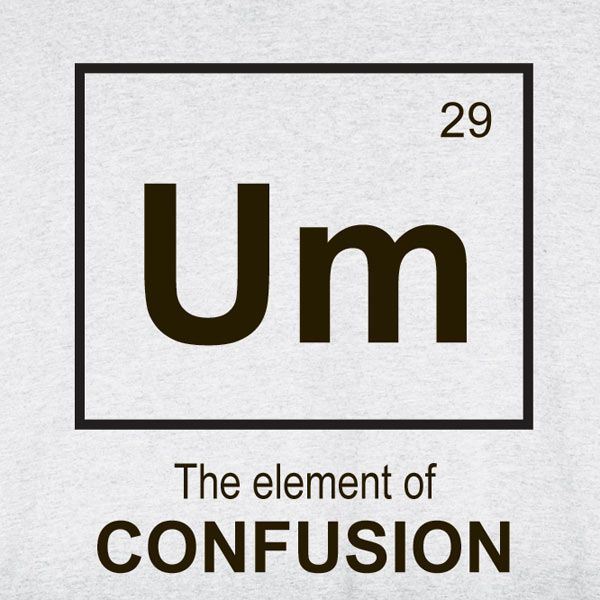
    First, let’s address, “How do you feel now that you’re on the other side?”. Right after the defense, I felt numb. I didn’t know what to feel or think. I went on like this for several days. There’s such a build up (emotionally and intellectually) to the defense. So much anxiety, stress, and fear. It’s hard to know what to feel after the presentation is over, you’ve met with your committee, and all the forms are signed. After awhile, this numbness turned into nothingness. Right now, I feel nothing. I don’t feel happy, excited, sad, or upset about the end of my dissertation or even the end of my doctoral career. I don’t feel anything except a vague sense of confusion. Maybe this is because I have revisions I need to make. It could be that once I complete these minor revisions , I’ll feel like I truly succeeded. Or maybe it’ll be after graduation when I officially receive my PhD and can be called Dr. Phillips. I don’t know.

    Second, “Don’t you feel more relaxed? Has your work load changed?”. No and no. I am  person who is incapable of fully relaxing. Are there others like me? I should investigate this further. I have trouble relaxing for a variety of reasons, but I right now I can’t relax. Defending my dissertation didn’t help me relax or decrease my workload. I still have to find a job and finish edits to my dissertation. Maybe people believe that after defending your dissertation you have all this free time or can shift gears and work on something else. This hasn’t been the case for me. Perhaps it is for others. Lucky you!

    Finally, the questions of “What are your next steps? Where do you go from here?”. Well, looking for a job is what I’m doing (and editing my dis). In all honesty, I don’t know where I’ll go from here. It depends on where I get a job. The job search process is kind of exciting, terrifying, nerve wracking, and frustrating. Applying to jobs is so time consuming and tedious. Sometimes it feels like you’re throwing yourself into the void, forced to patiently wait for some sort of response. I will find a job (I say this in a confident, convincing sort of voice to myself a lot, “Yes, I will!”). Then, go from there.

    Hopefully, my ramblings aren’t coming across as negative or concerning. I’m simply using this post as a way to deal with the range of emotions I’m feeling (or not feeling) at the moment. Enjoy the confusion with me!

  • “I Can’t Write.”: Lies I Tell Myself Sometimes

    “I Can’t Write.”: Lies I Tell Myself Sometimes

    I struggled with my writing this semester. This is a confusing and (sort of) funny announcement when I look back at last month’s post about my success in publishing. What began with unexpected criticism about my writing in late August spiraled into several months of self-doubt and negative thinking. At one point it became so bad that I considered dropping out of the doctoral program; something I haven’t thought about since my first year. Whenever I would sit down to write, self-defeating thoughts would swarm in my head. Thoughts like, “This is terrible.”,”What will so-and-so say about this?”, “You’re not smart enough.” These thoughts would cripple me. I couldn’t write more than a paragraph before re-reading, editing, reediting, and finally deleting everything.

    I know I can write. I’m a good writer, and I work hard. I’ve been published in three (soon-to-be four) peer-reviewed academic journals. But there’s a difference between knowing I can write and believing I can write. So, how did I overcome this fear of writing and actually write? (I’m still battling this fear. This will probably be something I struggled with for as long as I write.)

    My only answer has been to keep writing. I’ve stuck to a writing schedule that I started during my first year. It’s a very simple schedule — I write every day. EVERY DAY. I always have a goal for each writing day, usually beginning, working on, or finishing a section of something. Some days I writing a lot, some day just a bit. And this summer I began writing with a group of friends (who are also LIS doc students). Our informal writing group meets regularly at coffee shops to write together, talk about our work, and provide a “you can do it!” when needed. I like working and talking with people who enjoy what they do. It’s good for my mental health and my writing. Dissertation work can be a lonely experience.

    Another approach I use is not worrying so much about what I write in that first draft. The sentences and paragraphs I write don’t need to be astonishingly brilliant, perfect, or mind-blowing. It’s just a draft, only for me. There will be plenty of time for edits, pondering, advice, and rewrites. In this moment, the words I write isn’t for anyone else but me. It doesn’t matter what someone else will think, recommend, or question. That will matter latter, but even then I’m writing mainly for myself.

    Writing is hard. It’s always been hard for me. But there’s something wonderful about the process of writing — from that first blank page to the published piece. It’s a lovely experience to see your writing evolve and become stronger because of (or sometimes in spite of) challenges. I think it’s worth it.

    Happy New Year! Here’s to a happy and productive 2015!

    What are you looking forward to in 2015?

    How do you deal with writing (or other) struggles?

  • Dealing With Criticism (or Hearing Back From Peer Reviewers)

    In September, I submitted my first ever manuscript to an academic journal. That was exciting! Some time after, I heard back from the journal. My manuscript has been tentatively accepted  (that’s good!). One of the reviewers had very positive, encouraging comments about my manuscript and only recommended minor changes  (also good!).  But then there was the other reviewer. This individual had even more comments, many of which were negative, and suggested major changes to the manuscript before possible publication (this is not good).  My first response after reading these reviews was simple exhaustion. I worked so hard on this manuscript and had reached a point where I could only look at it sadly while shaking my head. I could not begin to contemplate making major changes to it. My major professor recommended that I step away from the reviews for a few days and then come back to them (hopefully less emotionally).

    And I that’s what I did. Since I’ve come back to the reviews, I find myself still struggling with the criticism. How could two individuals have such different opinions on my topics, method, writing, and sources? How could they know my research area throughly enough to provide me with solid, relevant suggestions when I’ve been reading, thinking, and writing about it for months? This is also my first experience with peer reviews, which means there is a lot that I just don’t understand. So much. Mostly, I struggle to accept the criticism. I imagine it gets easier the more manuscripts you submit, the more research you share at conferences, and the more involved you become in the academic community. But knowing this doesn’t help the present feelings I’m experiencing: inadequacy, confusion, and frustration. As someone who has never accepted criticism without tears or frustration, knowing putting myself out there for certain criticism (usually constructive!) is very very hard. I imagine that there are many, many researchers who are struggling with these same issues. To end on a positive note, the semester is coming to an end, which means no classes, plenty of time for catch up work, and (possible) fun reading. Also, I have another paper under peer review so…. *cue suspenseful music*

    How do you deal with constructive criticism (or just plan criticism)? Does this process get easier or do you just develop a tougher skin? Any suggestions on how to approach peer reviews in a more objective manner? 

  • An Overworked Woman? *

    Recently, as I’ve been dating more, I received the following comments from men: “You work way too much. Enjoy Life!”, “Wow. I really need to get you out of the house more.”, “You spend a lot of time doing schoolwork.”. I know women working outside of academia hear something similar to this, but I’ve really started noticing it since I began the doctoral program. It’s frustrating because I’m relatively certain that men aren’t getting these types of critiques from other men or women. Why do some men feel they can criticize someone they barely know (on a date no less)? The real questions these men should be asking a woman putting in long(ish) hours is “do you enjoy it?” and “what are you getting out of it?”.

    I think there is a difference in working a lot and being overworked. I work quite a but, but I knew I would be. My expectations of the doctoral program when I applied have been pretty close to reality. I don’t feel “overworked”. Well… maybe I do towards the end of the semester when everything is due and public speaking is involved. Yet, I love what I’m doing. It doesn’t always even feel like work. I’m willing to put in the time and effort because my work is meaningful to me. I am enjoying life!

    I’m not sure that it is sexism prompting these types of comments from some men. Maybe they aren’t happy in their own jobs and have trouble understanding why anyone would want to work a lot. Maybe it is the difference in education. As a woman, once you reach a certain level of education you realize that dating men with less education is a strong possibility. It can be difficult for some men to accept this difference. I may be encouraging these comments myself. I can a bit blunt sometimes. But I believe I need to be honest to friends, family, and dates about how much of my life the doc program takes up.

    Thank you for listening to my blatherings. It’s something I’ve been thinking about and writing always helps me put things into perspective. And I just really love blogging!

    * I’m really not generalizing to all men or trying to offend. I know there are plenty of men who wouldn’t think of saying this kind of stuff. My dad and other doc students chief among them! : )

    The Educated Woman in book form!
    The Educated Woman in book form!